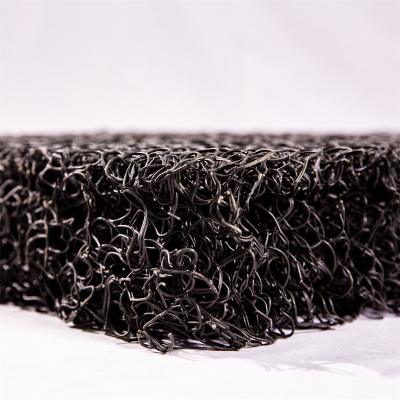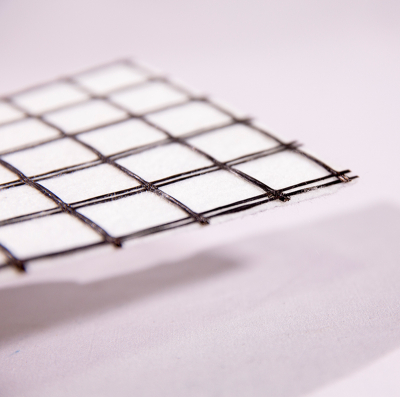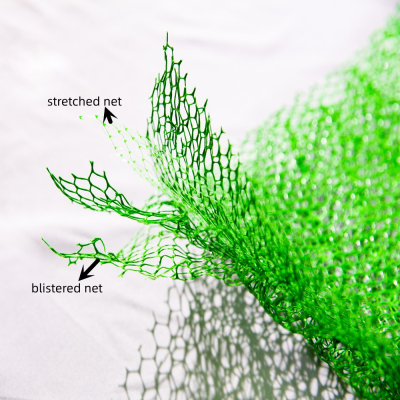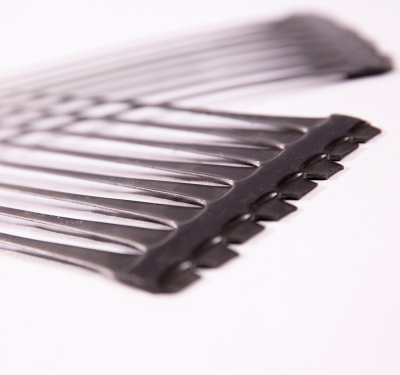
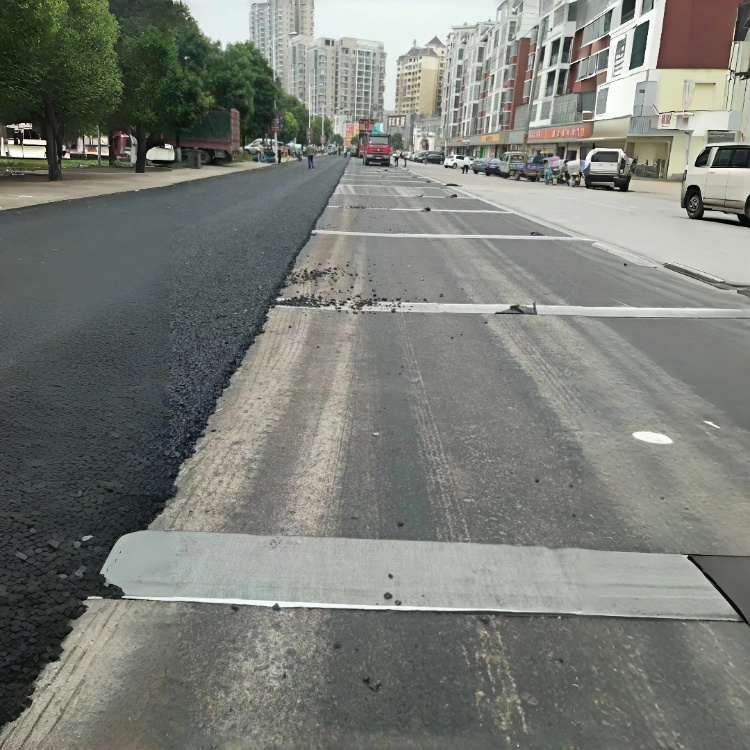
Crack-Resistant Patches
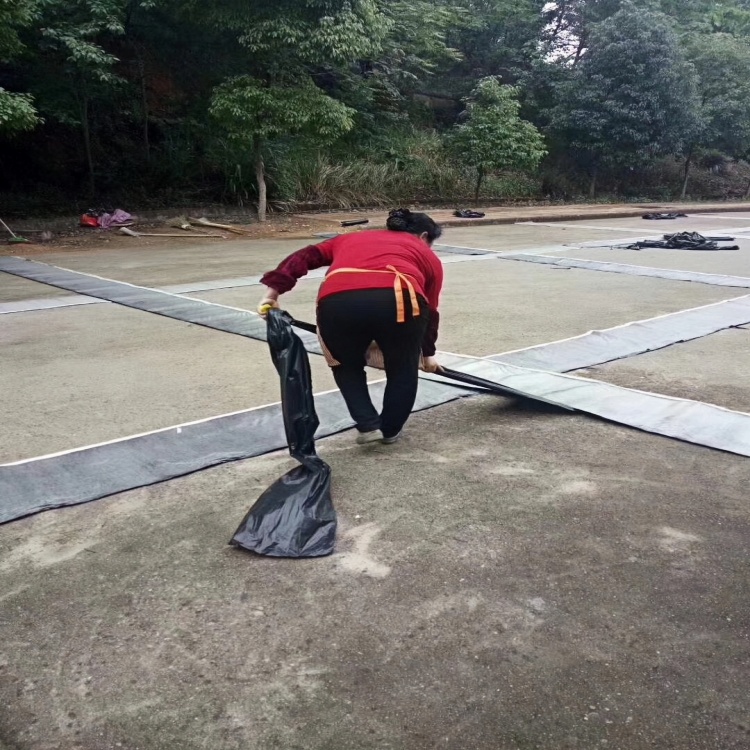
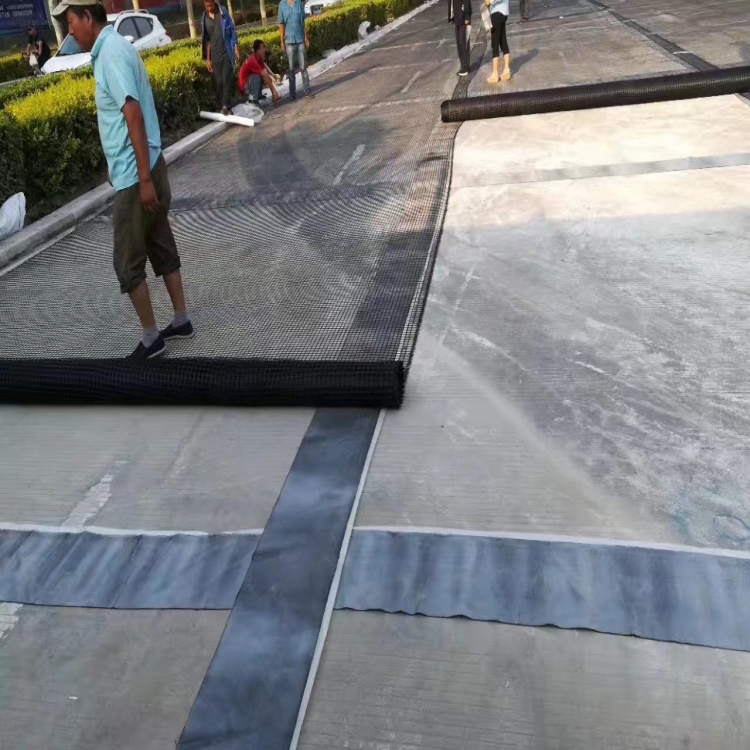
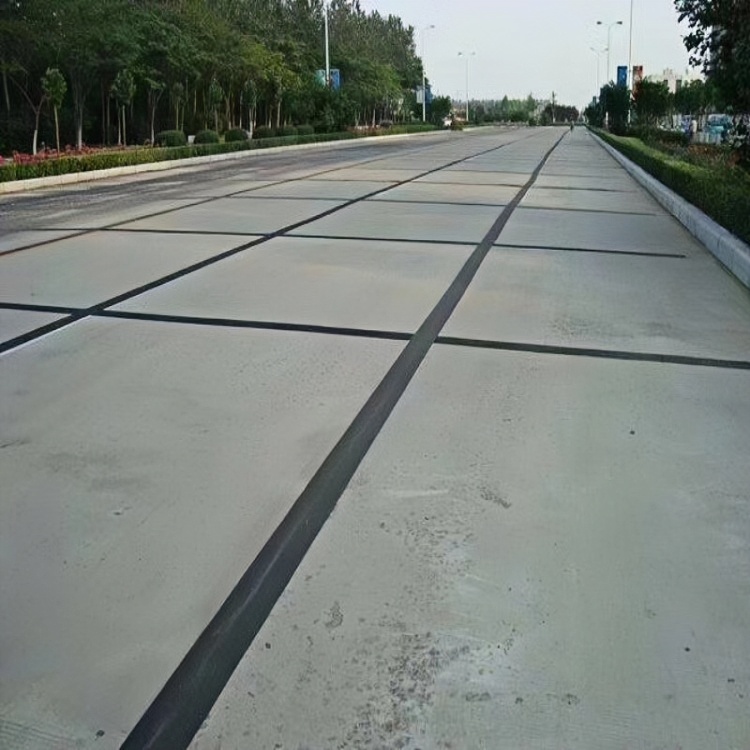
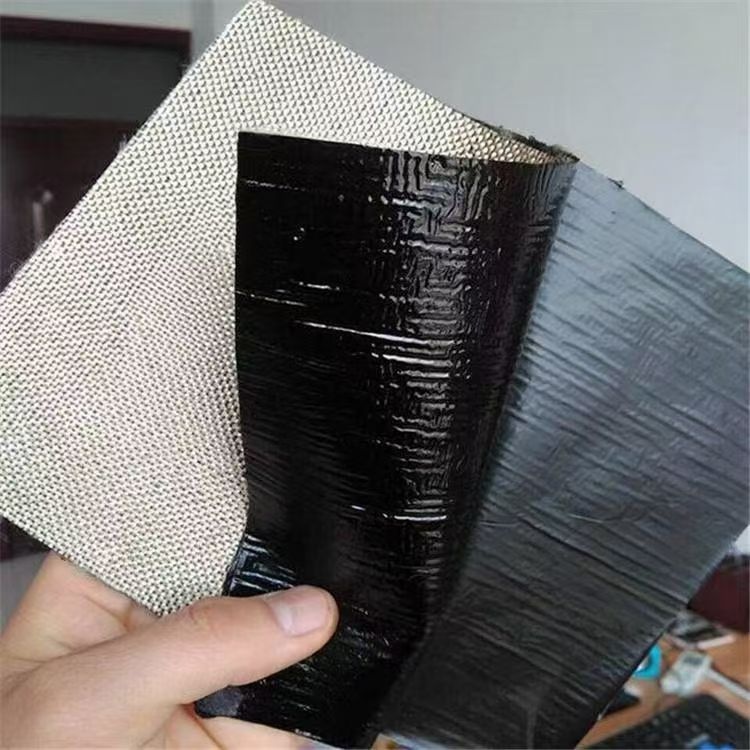
These highway crack-resistant strips can be directly applied to road surfaces, eliminating the drawbacks of traditional groove-cutting and crack-filling methods while avoiding secondary damage to the pavement. Suitable for maintenance and construction on roads of various grades, this product features simple installation, strong adhesion, wide operating temperature range, long service life, and thorough crack sealing. The crack-resistant strip (also known as anti-crack strip) is composed of asphalt-based polymer materials, high-strength tensile tire base, and high-temperature resistant fabric compatible with asphalt. This self-adhesive product allows direct application at cracked areas, integrating multiple existing road crack prevention measures into a unified system.
Introduction
Road surface cracking has long been a global technical challenge in pavement maintenance, primarily categorized into two types: reflective cracks caused by subgrade issues and surface cracks from pavement layers. Our company's innovative crack-resistant strip for highways effectively addresses these challenges, delivering enhanced road safety, durability, aesthetic appeal, and comfort. The adhesive directly applies to existing road surfaces, eliminating the drawbacks of traditional grooved crack-filling methods that risk secondary damage. Suitable for maintenance projects across various highway grades, this product features easy installation, strong adhesion, wide operating temperature range, extended service life, and complete crack sealing.
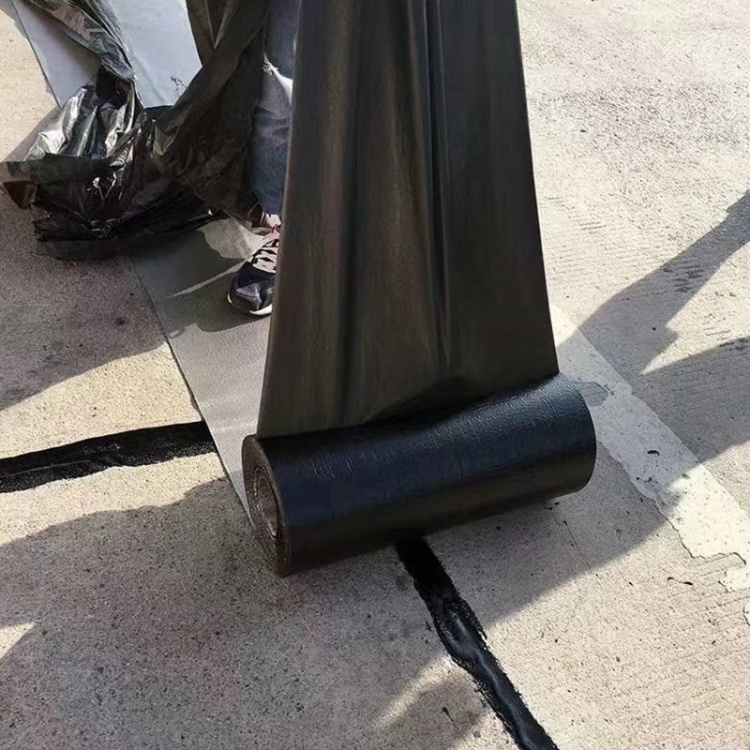
Main Performance of Crack-Resistant Strips (Anti-Crack Strips)
1. Isolation Function: When installed, crack-resistant strips isolate cracked surface layers from asphalt, preventing direct contact between cracked layers and asphalt. Although this reduces bonding strength between subgrade and surface layers, the polymer-based crack-resistant strips ensure effective adhesion between upper and lower layers, collectively bearing vehicle loads to prevent relative displacement and maintain continuity.
2. Reinforcement Function. Crack-resistant strips (also known as anti-crack strips) possess sufficient strength to withstand tensile stress from existing cracks. When crack tensile stress exceeds the strip's tensile strength, deformation occurs, allowing the surface layer to begin bearing tensile stress transmitted from the strip. The surface layer effectively absorbs all crack-induced tensile stress, serving as a reinforcement mechanism that enhances the tensile strength of pavement structures.
3. Energy Dissipation and Buffering Effect. As an extensible material with low-temperature flexibility, the polymer in crack-resistant strips creates an elastic layer between asphalt pavement layers. This elastic layer diffuses crack tensile stress across wider areas, thereby alleviating stress concentration at crack zones while absorbing partial tensile energy.
4. Water Barrier and Seepage Prevention. The polymer in crack-resistant strips forms a complete waterproof barrier that prevents water infiltration from the pavement to the subgrade, protecting subgrade strength and preventing material deterioration. When applied to asphalt pavement layers, these strips effectively suppress crack propagation while demonstrating both crack resistance and energy dissipation capabilities in practical engineering applications.
Installation Specifications:
1. Select crack-resistant patches according to pavement crack (joint) width: Use 25cm+ patches for cracks under 1㎜-3㎜;
2. 3㎜-5㎜ cracks require at least 33cm+ patches.
3. For cracks 5㎜-19mm wide, clean the area thoroughly, fill gaps with sealant, then apply 50cm+ patches.
4. For cracks (seams) and sunken areas wider than 19mm, thoroughly clean them and fill with cement mortar, sealant, or asphalt mixture. Compact the material to its original height before applying 100cm-wide crack-resistant strips.
5. For cracks or depressions exceeding 50mm in width, first clean the area, then fill with cement mortar or hot asphalt mixture. Compact the material to its original height before applying 100cm-wide crack-resistant strips.
6. For cracks (seams) and sunken areas of varying heights, perform leveling treatment.
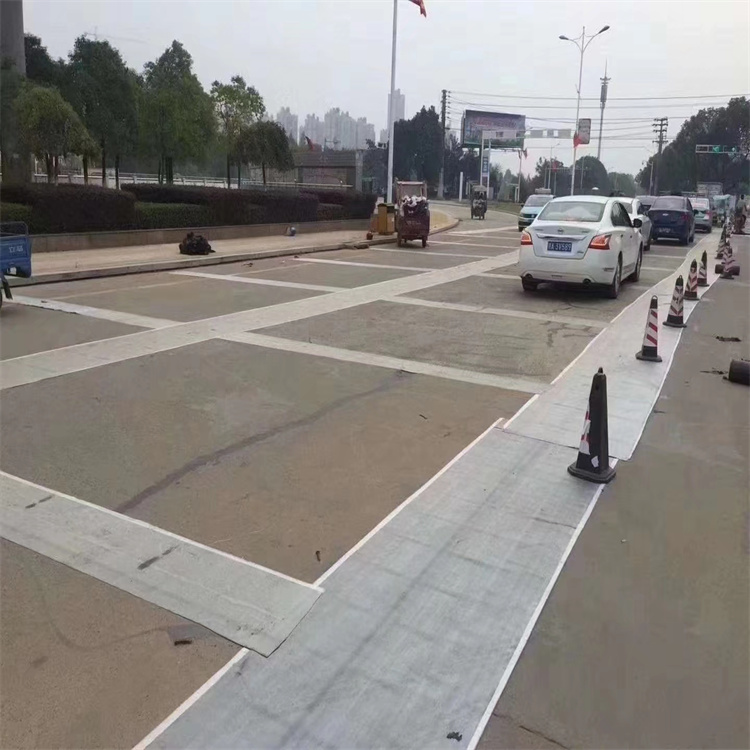
Precautions:
⑴.Cement concrete surfaces must be dry before construction. Avoid working on damp substrates or during rainy/snowy weather.
⑵. After installation, compact the "crack-resistant strips" using sandbags or rubber-tired rollers to prevent water infiltration into their adhesive surfaces prior to asphalt concrete paving. If heavy rain is anticipated before paving, apply sealant between both sides of the strips.
⑶. Construction should be avoided when temperatures drop below 5℃.
⑷. Vehicles must not perform on-site U-turns over crack-resistant strips during asphalt concrete paving.
⑸.On slopes exceeding 5%, crack-resistant strips width should not exceed 330mm. Minor slippage during initial asphalt concrete placement requires immediate repair without compromising quality.
⑹.The total asphalt concrete thickness should not be less than 6cm.
⑺. When edges of crack-resistant strips show significant height differences (over 1cm) or multiple depressions, level these areas first to prevent structural damage from gravity-induced collapse. Leveling materials may include epoxy mortar or asphalt mixtures.
Customer Visit

Customer Reviews on Alibaba