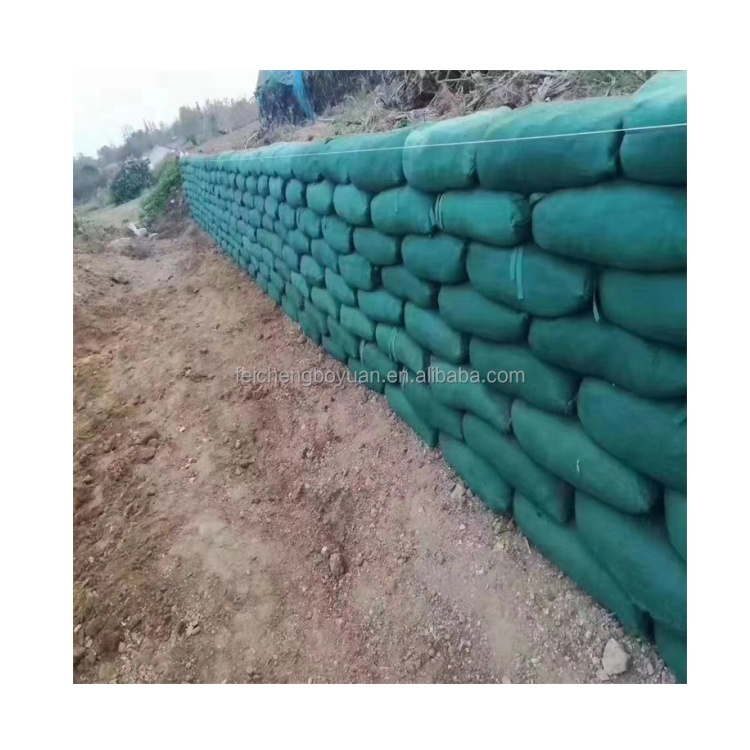
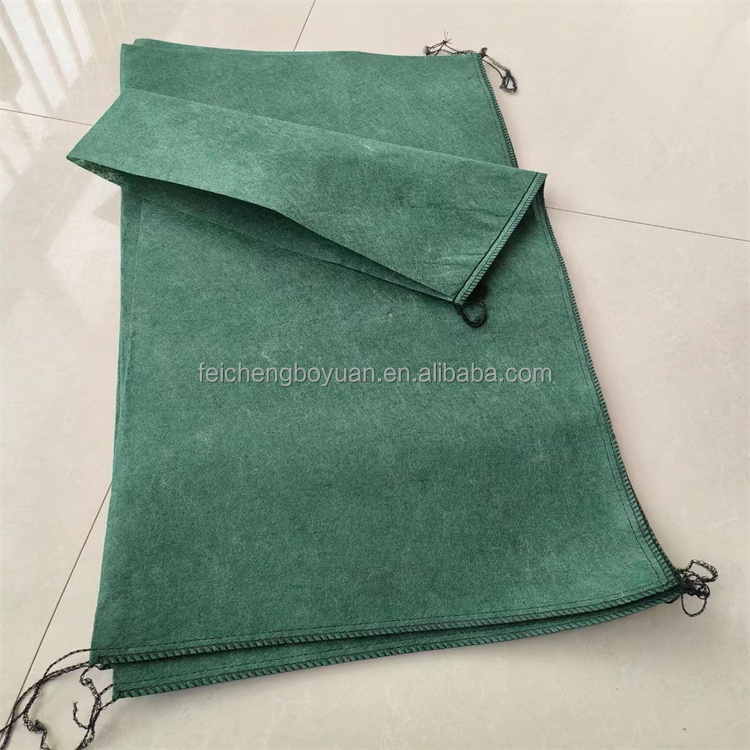

Geobag Embankment
UV resistance, anti-aging properties, non-toxicity, and non-combustibility, achieving zero pollution.
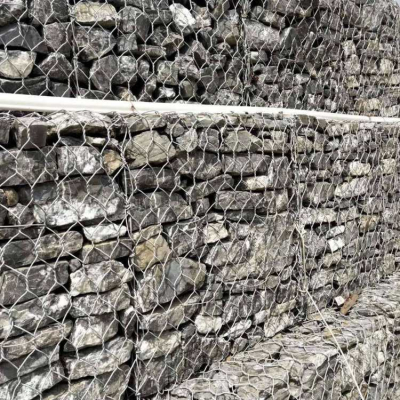
One of its purposes is riverbank, shoreline and coastal protection, where it absorbs wave energy and prevents the banks from collapsing.
Introduction
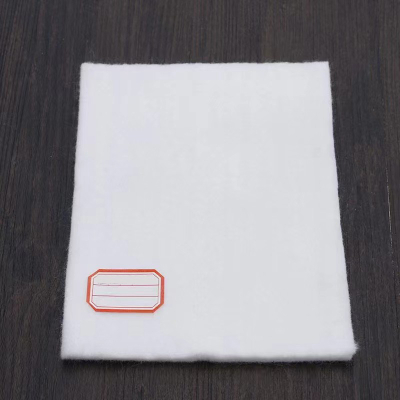
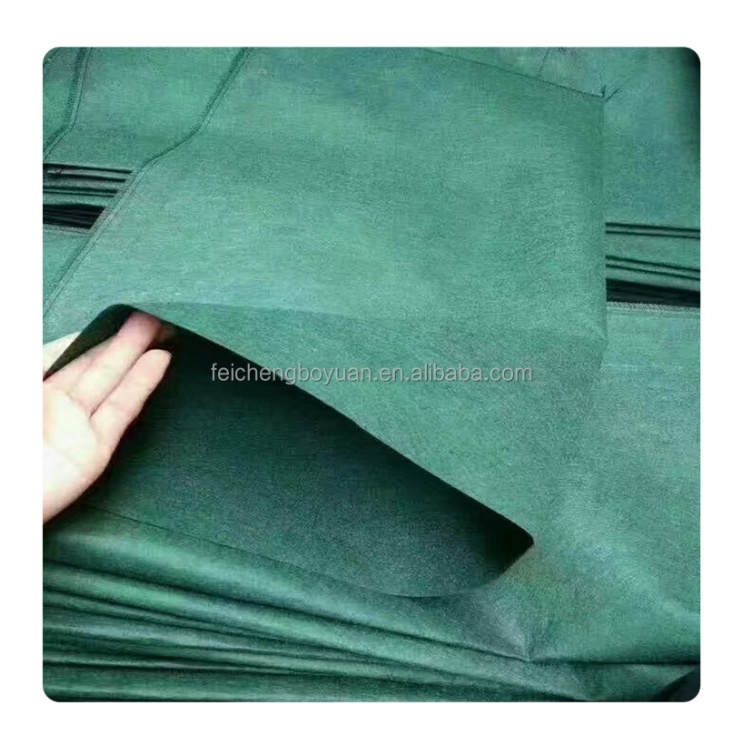
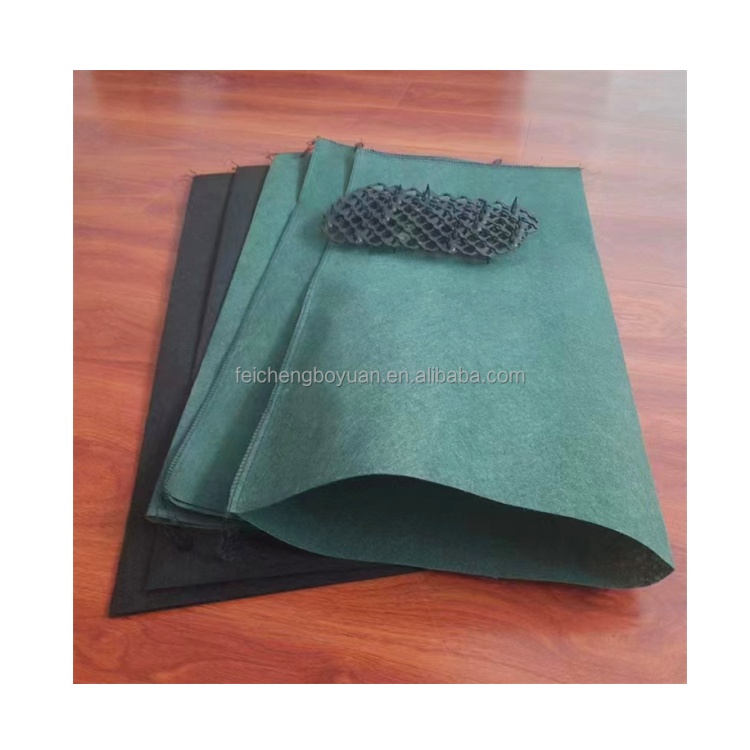
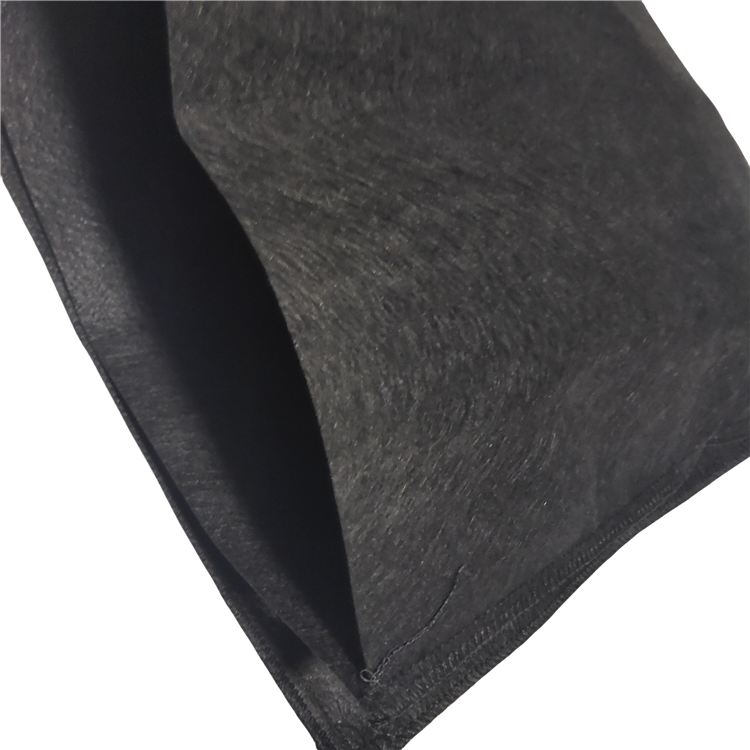
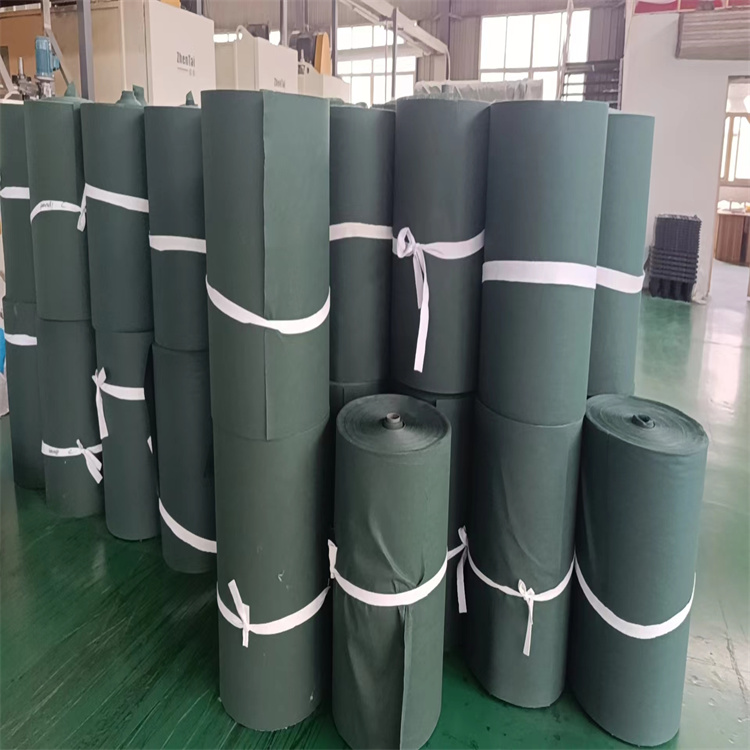
Geobags are made from double-sided ironed needle-punched non-woven fabric, ecological bags use polypropylene (PP) or polyester fiber (PET) as raw materials.Geobags are high-strength, UV-resistant, freeze-and-thaw-resistant, and acid- and alkali-resistant synthetic ecological materials. They are a new type of specialty material, featuring high strength, UV resistance, acid- and alkali resistance, corrosion resistance, and freeze-and-thaw resistance, truly achieving zero pollution. They are primarily used in the construction of flexible ecological slopes. Ecological bags are resistant to moisture, do not absorb water, and water will not damage the bags or cause them to deform. They are an excellent tool for protecting the environment and are highly practical.
Functional Characteristics
- Moisture Resistance: The raw material does not absorb water, maintaining shape when wet and insoluble in polluted liquids.
- Chemical Corrosion Resistance: Highly resistant to certain concentrations of acids, alkalis, and chemicals, suitable for most solid and heavily polluted sites.
- Resistance to Biodegradation and Animal Damage: Does not support fungal growth, is indigestible by insects and other animals, and can resist pest erosion.
- High and Low Temperature Resistance: Withstands temperatures up to 150°C without melting and as low as -40°C.
- Water Permeable but Soil Retentive: Features specific equivalent pore size, allowing normal water circulation while preventing soil and nutrient loss, facilitating plant growth.
Application Fields
- Ecological Restoration: Used in riverbanks, mine reclamation, coastal shores, constructed wetlands, and other projects to create suitable ecological environments.
- Infrastructure Construction: Applied to slope protection of railways, highways, rivers, and lakes, as well as special scenarios like military facilities and flood control dikes.
- Landscaping and Residential Areas: Suitable for vertical greening, garden art, and rooftop gardening in commercial and residential communities.
Construction Method
During construction, ecological bags are first filled tightly, then stacked layer by layer with connecting buckles to form a stable structure. Plants are then planted in the bags to achieve both slope protection and ecological greening.
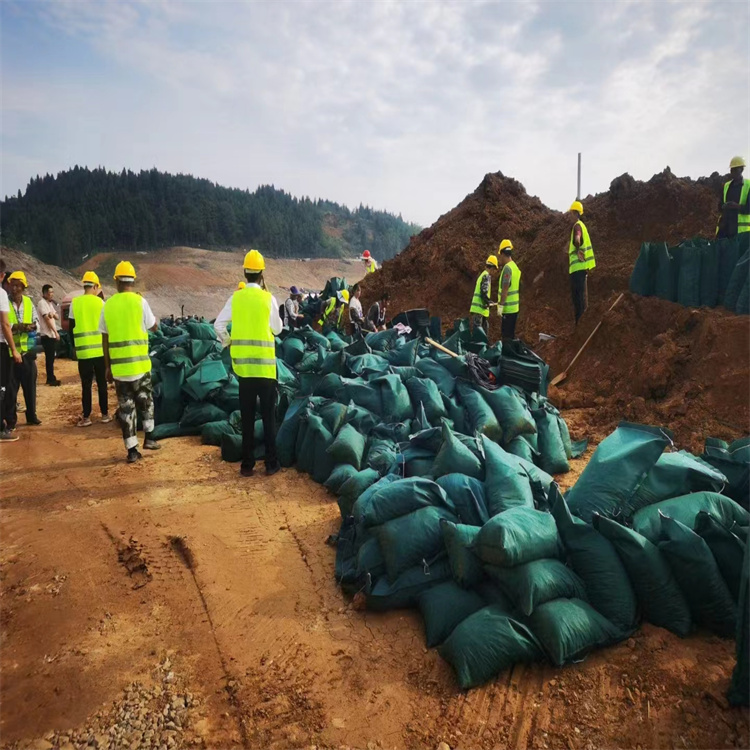
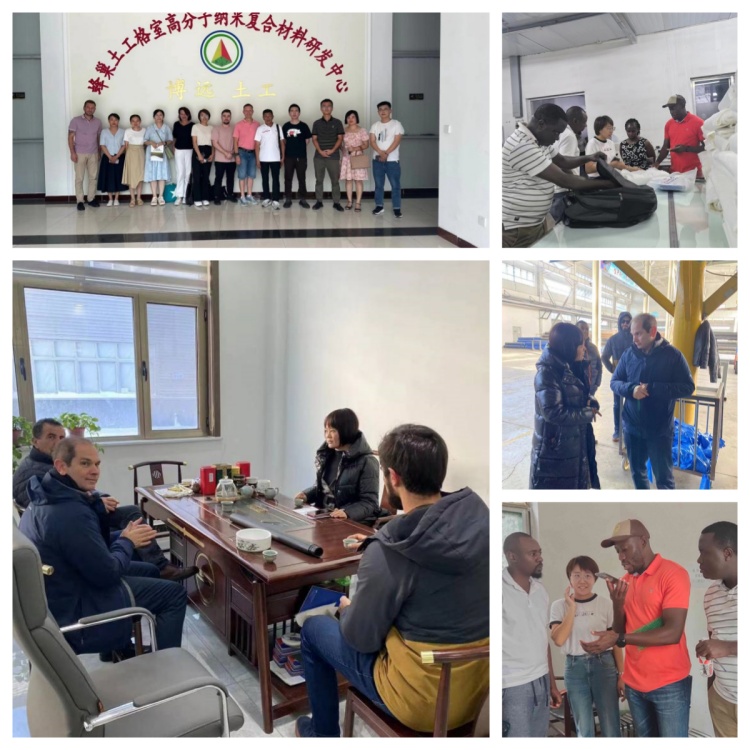
Customer Visit