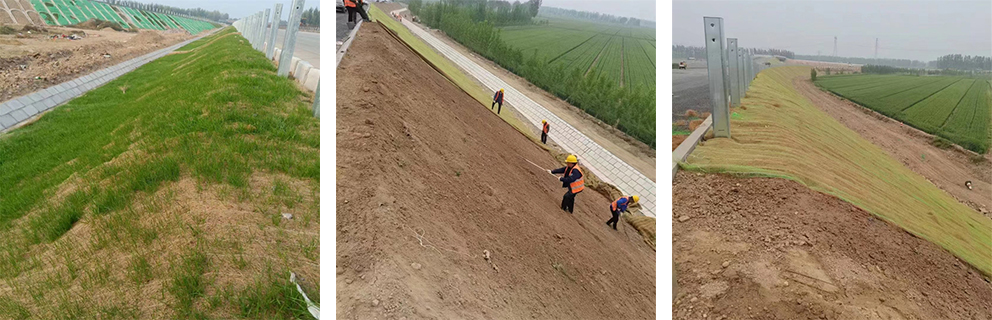
Coir blanket used in slope protection
Coir blankets, also known as coconut fiber blankets or erosion control mats, are eco-friendly geotextiles made from the natural fibers of coconut husks. These biodegradable materials have gained significant attention in recent years as a sustainable alternative to geosynthetic erosion control products. With their unique combination of durability, water retention capabilities, and environmental compatibility, coir blankets are increasingly utilized in a variety of applications ranging from slope stabilization to ecological restoration. This article explores the key uses, benefits, and implementation techniques of coir blankets in modern land management practices.
1. Erosion Control on Slopes and Embankments
One of the primary applications of coir blankets is preventing soil erosion on vulnerable slopes, riverbanks, and construction sites. Heavy rainfall, wind, and human activities can destabilize exposed soil, leading to sedimentation in waterways and loss of fertile topsoil. Coir blankets act as a protective layer by:
-Absorbing kinetic energy from raindrops, reducing soil displacement.
- Binding soil particles through their fibrous matrix, preventing surface runoff.
- Promoting vegetation growth by retaining moisture and providing a substrate for seed germination.
Their natural porosity allows water infiltration while minimizing erosion, making them ideal for use in areas with moderate to high hydrological stress.
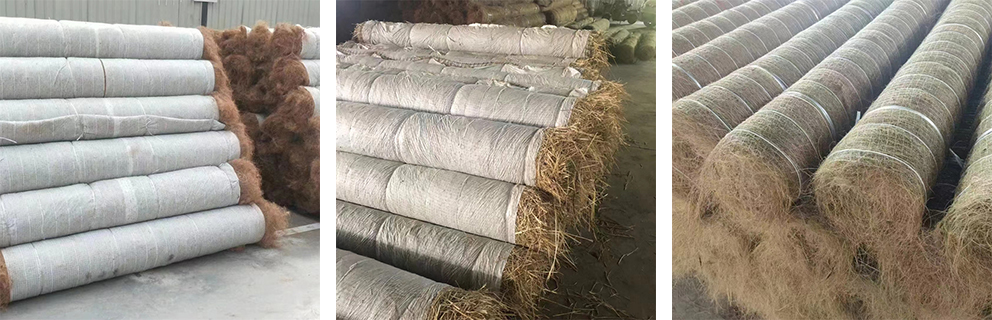
2. Vegetation Establishment in Degraded Land
Coir blankets play a critical role in revegetation projects, such as mine reclamation, highway embankments, and wildfire-affected areas. They create a microclimate conducive to plant growth by:
- Retaining moisture: Coir fibers can hold up to 8–10 times their weight in water, ensuring consistent hydration for seedlings.
- Shielding seeds from predators and extreme weather.
- Gradual decomposition: As the coir blanket degrades over 2–5 years (depending on environmental conditions), it releases nutrients into the soil, supporting long-term plant establishment.
Combined with hydroseeding or manual planting, coir blankets accelerate the recovery of ecosystems while eliminating the need for plastic-based meshes.
3. Shoreline and Wetland Protection
In aquatic environments, coir blankets are deployed to stabilize shorelines, restore wetlands, and protect against wave action. Their buoyant yet sturdy structure helps:
- Reduce coastal erosion by dissipating wave energy.
- Promote mangrove or reed growth in tidal zones.
- Filter sediments to improve water quality.
Unlike geosynthetic materials, coir blankets avoid introducing microplastics into marine ecosystems, aligning with conservation goals.
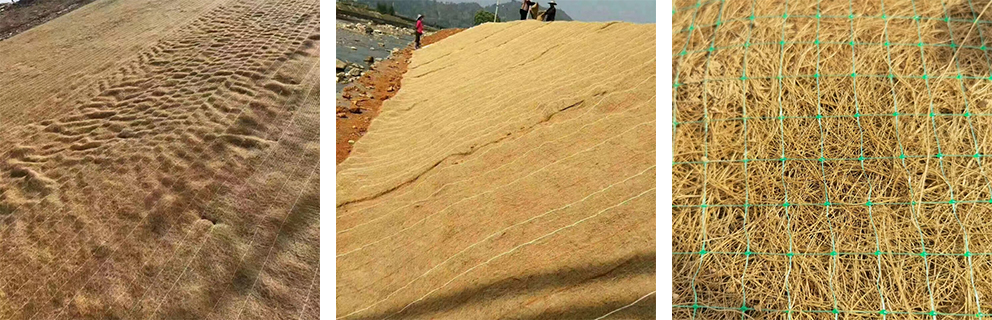
4. Urban Landscaping and Green Infrastructure
Coir blankets are increasingly adopted in urban settings for green roofs, bioswales, and stormwater management systems. Benefits include:
- Thermal insulation for rooftop gardens.
- Weed suppression in landscaped areas.
- Integration with sustainable drainage systems (SuDS) to manage runoff.
Their natural appearance also enhances aesthetic value in parks and residential projects.
Advantages Over Synthetic Alternatives
- Biodegradability: Coir decomposes naturally, eliminating waste removal costs.
- Low carbon footprint: Coconut husks are agricultural byproducts, requiring minimal processing.
- Soil compatibility: Neutral pH and salt-free variants ensure suitability for sensitive environments.
- Cost-effectiveness: Long-term savings from reduced maintenance and environmental compliance.
Installation Best Practices
1. Site Preparation: Clear debris and grade the surface to ensure contact between the blanket and soil.
2. Anchoring: Secure blankets with biodegradable stakes or trenches to prevent displacement.
3. Overlap Seams: Overlap edges by 10–15 cm to maintain continuity.
4. Vegetation Support: Pair with native grass seeds or live stakes for synergistic effects.
Coir blankets exemplify the synergy between traditional materials and modern environmental engineering. By offering a renewable, multifunctional solution for erosion control and habitat restoration, they address critical challenges in land management while advancing sustainability objectives. As industries and governments prioritize eco-conscious practices, the adoption of coir blankets is poised to expand, reinforcing their role as a cornerstone of green infrastructure worldwide.